
3D Printing at Security Locknut

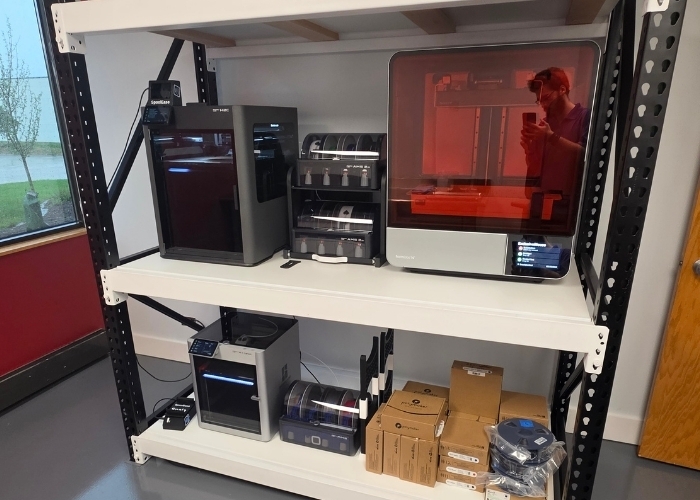
3D printers at Security Locknut

At Security Locknut, we use 3D printing to support our product development and manufacturing process. From physical design mock-ups to highly detailed prototypes, 3D printing gives us the flexibility to evaluate concepts, explore different geometries, and identify design adjustments before moving forward with production.

Custom Designs

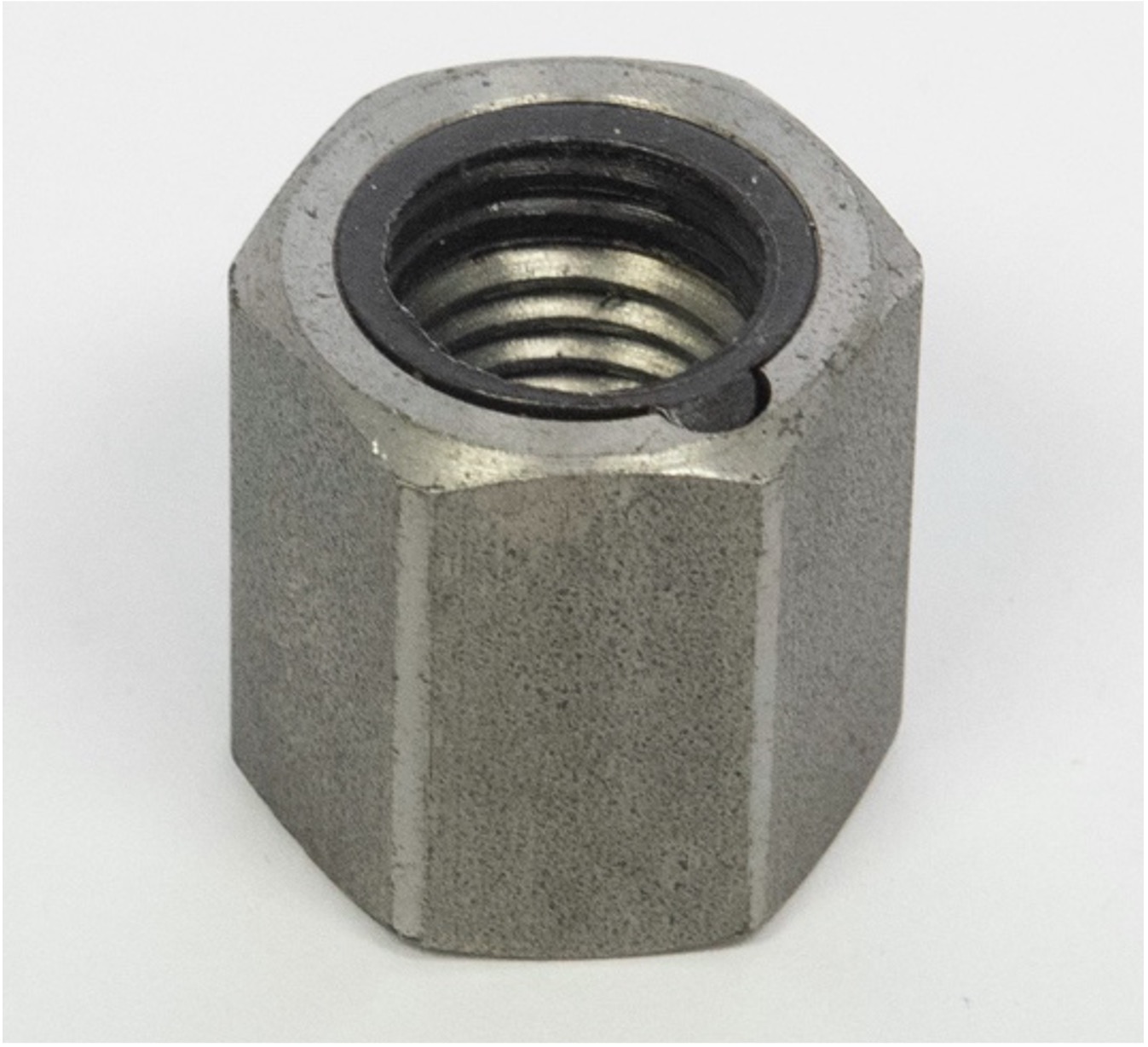
Custom 3D printed locknut

With 3D printing, we can develop custom components for applications that require nonstandard configurations. Using CAD modeling and physical prototypes, we can explore different shapes and dimensions to accommodate unique fastening requirements and applications.

This flexibility allows us to pursue a wider range of design possibilities, refine configurations, and develop solutions tailored to the requirements of each application.

Two Types of 3D Printing Technology

Security Locknut uses two types of plastic 3D printing technology in-house: stereolithography (SLA) and fused deposition modeling (FDM). Each process offers different advantages depending on the part’s intended purpose, required detail and material characteristics.

SLA Printing

Uses UV light to cure liquid resin into solid plastic parts as it builds components layer-by-layer.

Key Benefits

  • Produces highly detailed layers with smooth surface finishes.
  • Captures intricate shapes and complex geometries.
  • Useful for evaluating fine details in design concepts.

FDM Printing

Heats thermoplastic filament and extrudes it through a nozzle until the part takes shape, actively cooling it layer-by-layer.

Key Benefits

  • Produces durable plastic parts for handling and design evaluation.
  • Allows engineers to produce and revise prototypes quickly.
  • Accommodates a variety of thermoplastic materials for parts that use plastic components.